When you click the link, it will take you to the corresponding page.
肉懐石 10,000円コース
和牛ローストビーフとフォアグラ
季節の野菜を使った吹き寄せ
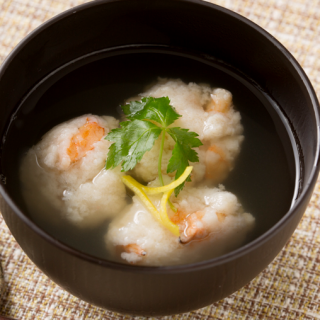
⽜テール・センマイ真丈 鮑のお清し
Shinjo is a type of refined fish cake made by blending white fish, shrimp, or crab meat with grated yam (Japanese yam) and egg whites to create a fluffy texture. It is often served in clear soups (such as owan) or enjoyed grilled or deep-fried. Depending on the season, ingredients like corn, lily root, or ginkgo nuts may be added for a seasonal touch. The name “Shinjo” (真薯) combines “真,” referring to white fish surimi (pureed fish), and “薯,” which refers to yam (yamaimo). The dish uses the natural stickiness of yam to bind the finely minced fish. Shinjo is similar to hanpen, but while shinjo is typically steamed with added egg whites and dashi for a delicate, smooth texture, hanpen is a more casual fish cake made by boiling fish paste with yam. Shinjo is considered a high-end dish often served in traditional Japanese restaurants, while hanpen is more of a common food.
馬トロ寿司
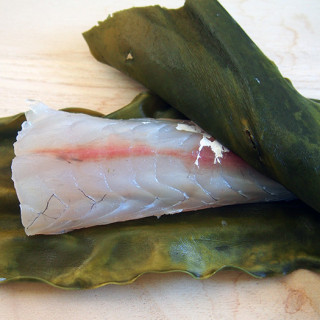
牛タン昆布〆
Kobujime is a method of aging sashimi, typically white-fleshed fish like sea bream, grouper, or flatfish, by wrapping it in kombu (kelp) for one to two days. Originally a traditional culinary method from Toyama Prefecture, it was developed as a way to preserve sashimi. The process involves sprinkling salt over the fish, layering kombu on top, sealing it tightly, and refrigerating it for several hours to a few days. Kombu absorbs moisture from the fish, tightening its texture and preventing oxidation to maintain freshness. At the same time, the glutamic acid and other components in kombu infuse into the fish, creating a deeper flavor than fresh sashimi. A key point in kobujime is to use dried kombu without rinsing it in water. While dust or debris should be wiped off with a dry cloth, the white residue on the kombu contains flavor-enhancing components. While many people say "konbujime," the correct Japanese pronunciation is "kobujime." The name combines "kombu" (kelp) and "shime" (tightening or preserving), with "shime" becoming "jime" due to Japanese phonetic changes, similar to the linking sounds in Korean. On menus in Japan, it is often written as "昆布〆" using the character for "shime" (〆). The reason it is called "kobujime" instead of "konbujime" is multifaceted. When used in dish or menu names, "kombu" becomes "kobu," as seen in "kobucha" (kelp tea), "kobumaki" (kelp roll), and "kobujime." In the Kansai region, dishes using kombu are thought to sound more elegant when pronounced "kobu" rather than "konbu." Another theory suggests that sushi restaurants in Hokkaido adopted "kobujime" on their menus because it was easier to pronounce than "konbujime." Overall, pronunciation convenience seems to play a significant role.
In many countries, beef tongue is used in a variety of dishes. In Japan, the beef tongue is called 牛タン, which combines the word Ox in Japanese and the Japanese pronunciation of the tongue. It is a popular menu in Japanese barbecue restaurants to slice the soft part of the beef tongue and grill it. Other dishes of Japanese barbecue are usually served with a soy sauce-based sauce called Dare(タレ), and beef tongue is often served with salt, so this salt is also called tongue salt(タン塩). When eating the beef tongue, we can also sprinkle lemon juice or put chopped green onions to eat together. Beef tongue is Sendai (Location of Miyagi Prefectural Office) speciality cuisine.
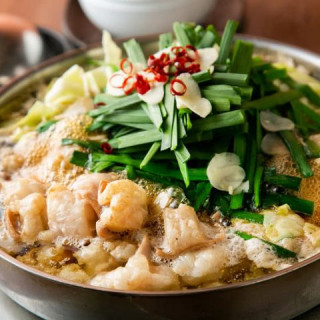
もつ鍋
レモンシャーベット
〆のちゃんぽん麺
季節のムース